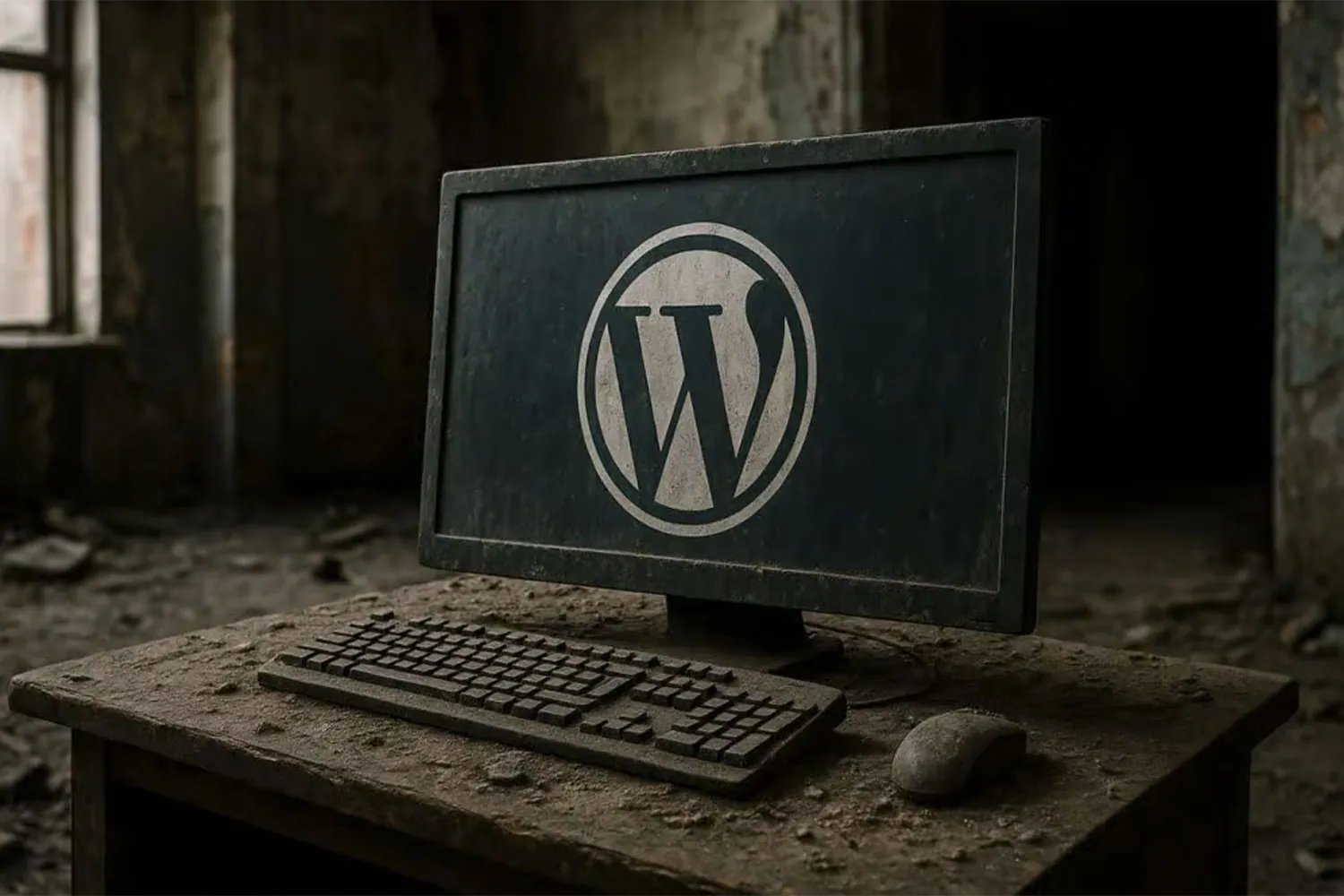
Sustainable web design isn't just a feel-good trend; it is a necessity, because large, inefficient sites contribute to huge energy waste. Cutting the non-essential, optimising performance and rethinking design choices can create a web that is not only greener but also faster, smarter and more user-friendly.
Let's be realistic: sustainable web design sounds great in theory. Who doesn't want to build a cleaner, greener internet while making lean, high-performing websites? But here is the problem: most so-called "green" web practices are more about looking good than actually making a difference.
Sticking a "carbon-neutral hosting" badge on your site doesn't erase the fact that it is packed with autoplay videos, huge unoptimised images and third-party tracking scripts firing requests like they are fighting a data war.
The internet may feel weightless, but it is built on power-hungry servers, energy-guzzling data centres and an endless cycle of requests and processing that leaves a far bigger carbon footprint than most people realise.
So is sustainable web design the future of the industry, or just an empty buzzword that makes companies sound eco-friendly while they keep building wasteful, sluggish sites? And more importantly, if we really want to make a difference, where do we start?
People don't think of the internet as a polluter. It is digital. No smoke. No exhaust pipes. No factory fumes. But behind every website sits a network of physical infrastructure consuming an absurd amount of energy.
Data centres alone are estimated to produce as much carbon as the entire aviation industry. Every time someone loads a web page, it triggers a chain reaction: the request goes to a server, the server processes it, loads the files it needs and sends everything back. That may not seem like much, but multiply it by the billions of web interactions happening every day around the world and energy use skyrockets.
And let's be honest: most websites are a mess when it comes to efficiency. Background videos that autoplay without anyone asking, high-resolution images that could be optimised, third-party scripts that slow everything down, bloated JavaScript frameworks dragging it all further. Every small inefficiency adds up, not just in UX but in raw energy waste.
If we are serious about sustainable web design, we have to stop treating it as an abstract concept and recognise that poor design choices contribute directly to environmental waste. The internet isn't just inefficient; it is an over-built, under-optimised beast that keeps growing at an unsustainable rate.
Some companies are making real efforts to make web sustainability more than a nice-sounding trend. Google's push for faster-loading websites through its Core Web Vitals initiative is a good example. Google rewards websites that improve speed, cut excess JavaScript and simplify the user experience, not because it is good for the environment, but because it improves the web as a whole.
Mozilla has gone further with its Sustainable Web Manifesto, which encourages designers and developers to pay more attention to building lightweight, efficient experiences. It is pushing for real change in how the web is designed, focusing on faster, cleaner, more energy-efficient sites.
But there is another side: greenwashing. Companies that put "carbon-neutral" labels on their websites because they use renewable energy, yet still load 15 MB of JavaScript junk for a simple landing page. Choosing a greener host is a first step, but if your site is an over-engineered nightmare of inefficient code and unnecessary assets, you are still part of the problem.
The real solution isn't just where your data is hosted; it is how much data you make people load in the first place.
If sustainability is more than a nice marketing term, it starts with making web experiences leaner, faster and more efficient. The first step? Stop the waste.
Most sites are stuffed with unnecessary junk. High-resolution images that could easily be compressed, background videos that add no value, and animations that slow everything down for the sake of looking fancy. If it isn't actively improving the UX, it is just wasting resources.
A great example of a truly lean site is the BBC homepage, optimised to load with just 90 KB of combined HTML, CSS and JavaScript. That is practically nothing compared with most modern websites. It loads almost instantly, runs efficiently and doesn't make users wait for unnecessary assets to download.
Another way to cut energy waste drastically is to move from dynamic sites to static ones. Every time a dynamic site loads, it makes constant database queries, using processing power that could have been avoided.
Static websites, on the other hand, build pages ahead of time, so content doesn't have to be generated on the fly over and over. That is why frameworks such as Next.js and Astro are increasingly popular: they let you build dynamic experiences while minimising server requests.
Hosting is another area where efficiency counts. Using a green host powered by renewable energy is better than relying on fossil-fuelled data centres. Companies such as GreenGeeks, Kualo and SiteGround promote sustainability, but again, it only matters if the website itself is optimised.
There is also the question of user behaviour. Do users really need to reload every page? More and more sites use progressive web apps (PWAs) and server-side caching, storing frequently used assets locally so they don't have to be reloaded from scratch on every visit. It is a win-win: a faster experience for users and less server load for the environment.
At some point, efficiency won't just be a choice; it will be a must. Energy costs are rising, climate concerns are growing and companies will eventually have no choice but to optimise their web presence for sustainability. The sooner we start designing with performance in mind, the better.
But here is the best part: sustainable design is also good for business. Faster websites don't just use less energy; they rank better on Google, convert more users and create better experiences. If your site is lean and loads in under two seconds, it isn't just greener; it makes more money.
This isn't about following a trend or adding a green sticker to the bottom of your website. It is about building a better web: one that is faster, more efficient and doesn't waste resources, whether CPU cycles, bandwidth or human attention.
So is sustainable web design the future, or just a marketing buzzword? That depends on whether designers are willing to actually make changes, or just pretend. What do you think?