While the world buzzes about AI and quantum computing, Indonesia is excited about a breakthrough that is more basic but has a massive impact: internet access. The "Internet Rakyat" (People's Internet) programme from the Ministry of Communication and Digital Affairs (Komdigi) has suddenly become the talk of the country, from coffee stalls to corporate meeting rooms.
Why is the programme generating so much enthusiasm? Here is a full breakdown of the initiative being hailed as "Indonesia's Digital Revolution".
1. The Promise: Top Speed at a Friendly Price
The core appeal is simple: value. For years, Indonesians have been used to the idea that fast internet is expensive.
- A new standard: the programme offers 100 Mbps. By comparison, the average home internet package in Indonesia used to be around 20 to 30 Mbps for about Rp300,000.
- A people's price: priced at around Rp100,000 a month, Internet Rakyat disrupts the market completely. It isn't just "cheap"; it turns high-speed internet from a luxury into an affordable basic utility.
2. The Main Mission: Removing the Digital "Caste"
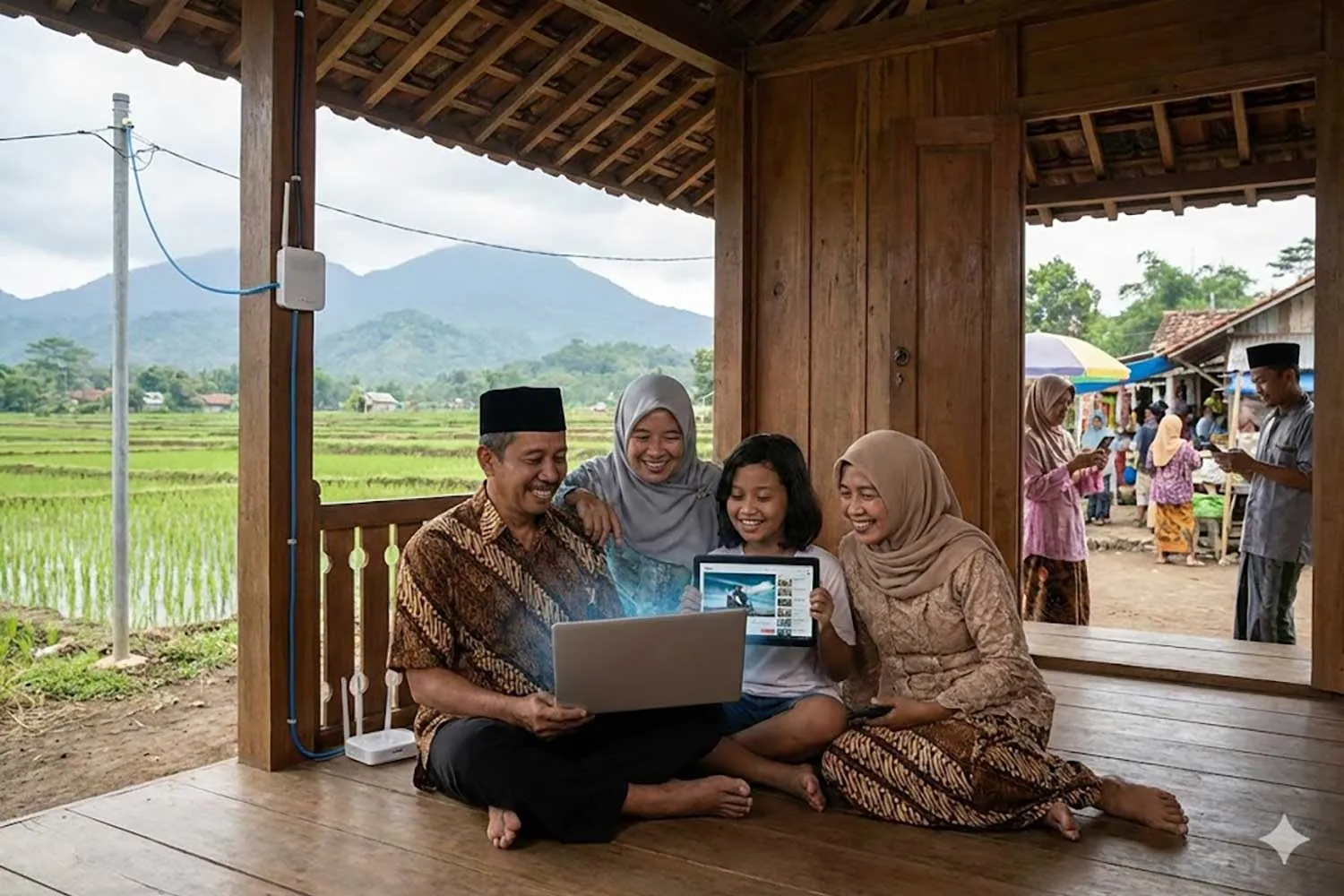
The digital divide in Indonesia has been very real. People in big cities enjoy fibre, while those in villages or 3T areas (underdeveloped, frontier and outermost regions) often have to make do with unstable mobile signal.
Through Komdigi, the government stresses that the programme is not just about selling cheap internet but about social justice.
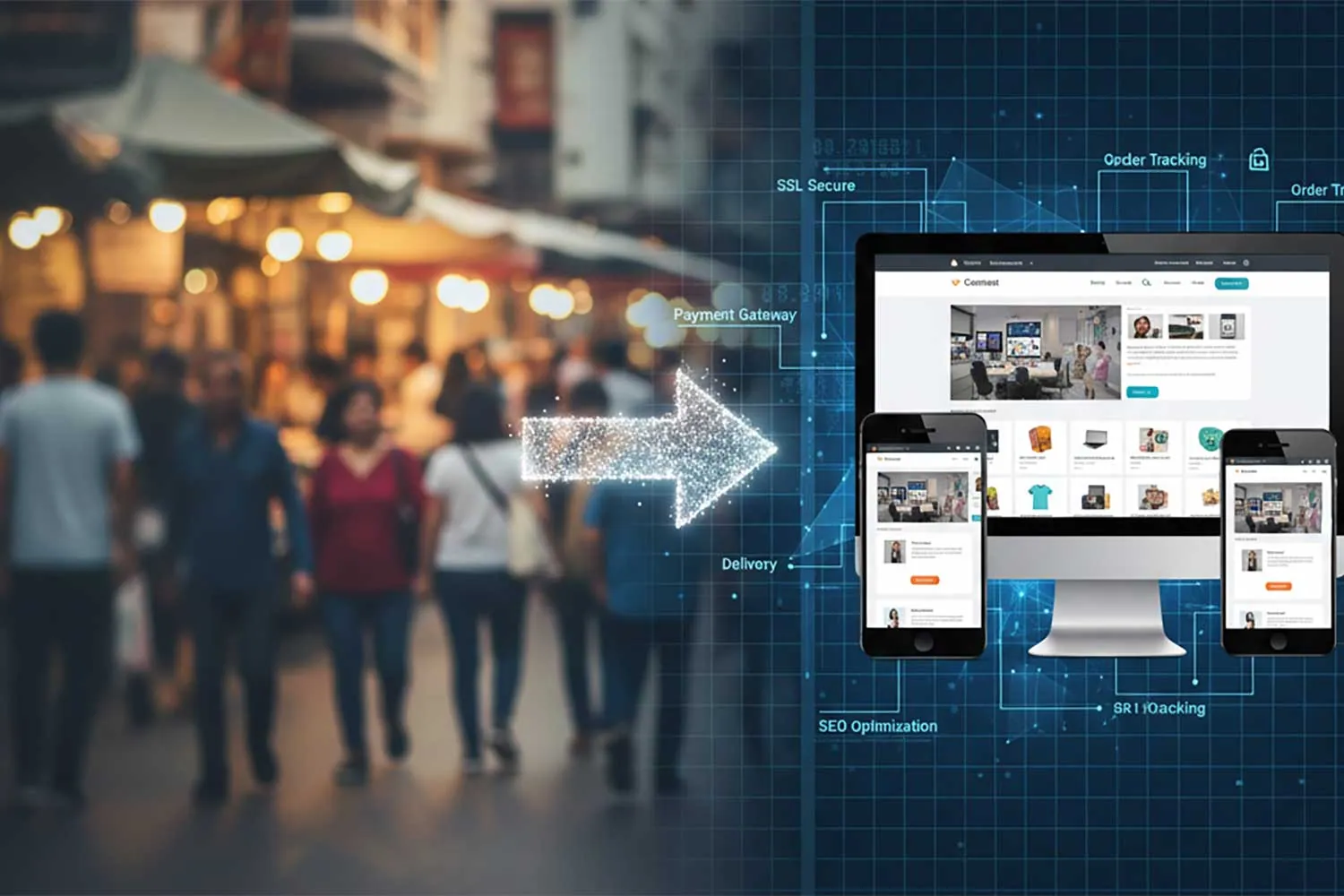
- The village economy: with 100 Mbps, small businesses in remote villages can sell through live streaming, upload high-resolution promotional content and run online stores without obstacles.
- Education: students in remote areas can access video-based learning, join online classes and download e-books as fast as students in Jakarta.
3. Current Status: Pre-Registration Euphoria
Although the service is targeted to operate fully nationwide in early 2026, the "fever" is already being felt at the end of 2025.
- Testing the waters: people are currently in the pre-registration and coverage check phase. The official website and government service apps are flooded with traffic from residents wanting to know whether their area is in the first wave of installations.
- Viral on social media: screenshots of coverage checks saying "Your area is covered" have become the new thing to show off on social media, showing how high public hopes are.
4. The Challenges Ahead
Of course, such an ambitious programme is not without doubts. Technology observers highlight several crucial challenges the government must answer:
- Infrastructure stability: promising 100 Mbps is one thing; keeping it stable when millions use it at the same time is another. Is the national bandwidth ready?
- Service quality (SLA): at such a low price, what will after-sales customer service be like? People worry that repairs will take a long time when the connection goes down.
- Real equal access: the public will be watching whether the "Rakyat" (people) in the name truly reaches ordinary people in remote areas, or just adds cheap options for those already living in big cities.
Internet Rakyat is a big government bet on leapfrogging Indonesia into a digitally advanced nation. If it is executed well in 2026, it will be the strongest foundation for Indonesia's digital economy over the next decade.
For the public, it is a long-awaited breath of fresh air: the right to connect to the world without emptying their wallets.