In today's digital era, an online presence is no longer a luxury but a strategic need for every organisation, including NGOs (non-governmental organisations). Yet many NGOs in Indonesia still underestimate how important it is to choose the right website development partner. A website is not just a digital display: it is the face of the organisation, a fundraising tool and a bridge of trust between the NGO and its donors, partners and the public.
An NGO Website Is Not Just a "Digital Brochure"
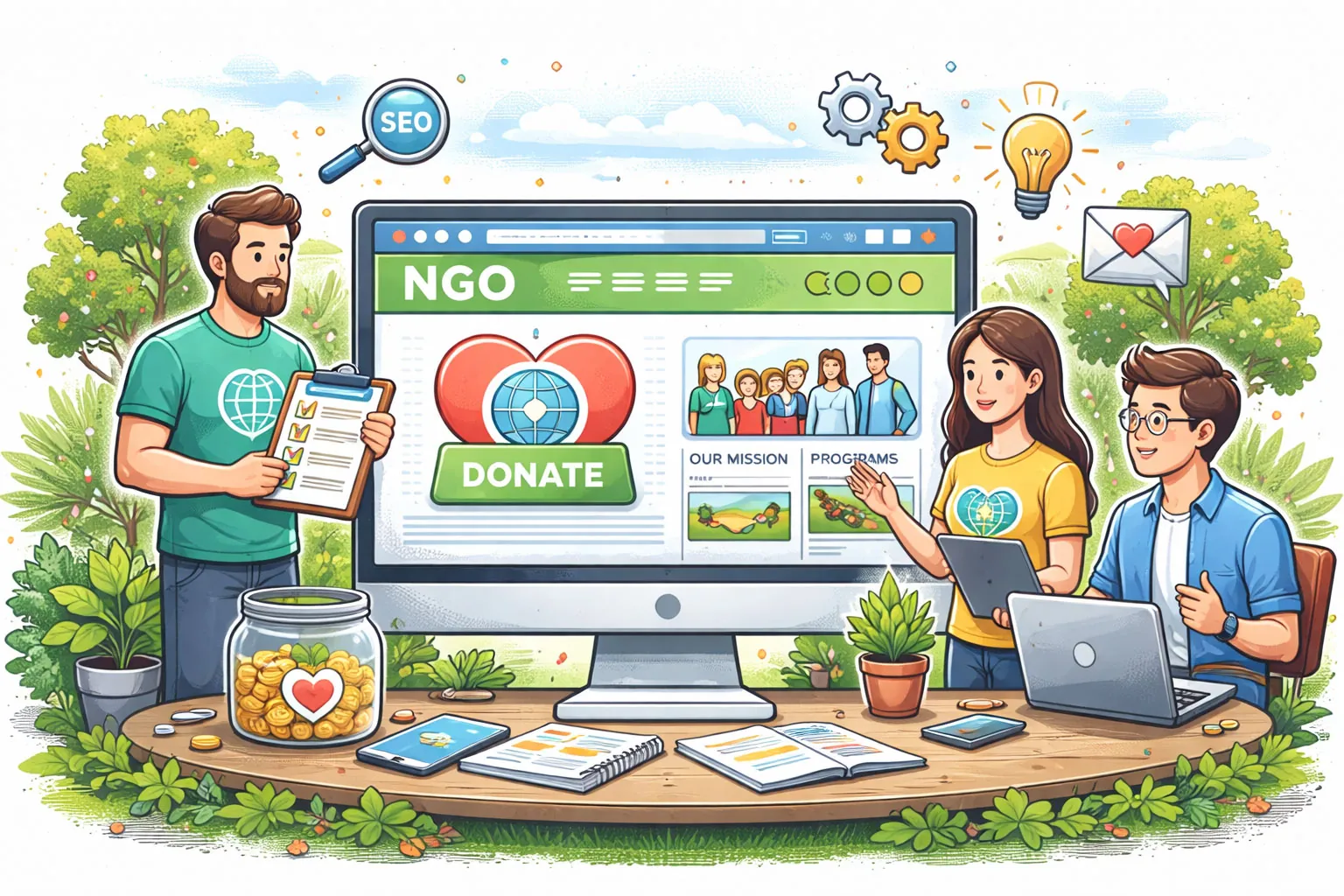
An NGO website does a very different job from an ordinary commercial website. It needs to:
- Build donor trust: prospective donors, whether individuals or international bodies such as USAID or the European Union, always visit the website before deciding to give support. An unprofessional website can lose their trust at once.
- Show programme impact: annual reports, case studies and impact data must be presented clearly and be easy to find.
- Support multilingual communication: many NGOs in Indonesia work with international partners, so the website needs content in both Indonesian and English.
- Make online giving easy: payment integration or links to fundraising platforms must be designed to work smoothly.
A developer who doesn't understand these needs will deliver a website that looks good but fails in practice.
5 Criteria for Choosing a Website Developer for an NGO
1. Experience with Non-Profits or the Public Sector
Not every web designer understands how NGOs work. Look for a provider who has built websites for non-profits, international organisations or government institutions. That experience means they understand the transparency, reporting and communication needs typical of the sector.
2. An Understanding of SEO and Online Visibility
An NGO website that can't be found on Google might as well not exist. Make sure your developer applies basic SEO practice: clean URLs, good meta descriptions, fast loading and content optimised for relevant keywords such as "public health programmes in Indonesia" or the names of your own programmes.
3. Clean, Credible, Mobile-Friendly Design
Donors and international partners visit from all kinds of devices. Responsive, professional design is not only about looks; it is about credibility. Avoid cluttered designs or generic templates that don't reflect the organisation's identity.
4. Easy Content Management (CMS)
NGO staff are usually not IT people. Choose a developer who uses an easy content management system (CMS), so your team can update news, programme reports and photo galleries themselves without always needing outside technical help.
5. Long-Term Support and Maintenance
A website is not a one-off product. It needs updates, protection from cyber threats and changes as your programmes grow. Make sure your provider offers clear website maintenance, including system updates, regular backups and domain and hosting renewals.
The Risks of Choosing the Wrong Provider
Many NGOs are tempted to pick the cheapest website developer. Unfortunately, this often leads to problems such as:
- A slow website that goes down at crucial moments, such as the launch of an annual report
- No technical support when a security problem occurs
- An unprofessional look that damages credibility with international donors
- Repair and migration costs that are far higher later on
Investing in the right website developer from the start is far cheaper and more strategic than repairing the damage later.
Yopdesign: A Trusted Website Partner for NGOs in Indonesia
Since 2009, Yopdesign has been trusted by leading organisations in the non-profit and international sector, including bodies working with USAID and the European Union, and many health and community-empowerment NGOs in Indonesia.
We understand that every NGO has its own mission, audience and communication needs. Our approach is not just to build a website: we help your organisation own a digital asset that actively supports your programmes and resource mobilisation.
Contact us to discuss your NGO's website.