Over time, SEO techniques change along with ever-evolving search algorithms. Because of this, every web developer and business owner needs to understand how to improve a website's SEO in line with these patterns.
A broad understanding of SEO for your website helps your content become a top reference in search engines. And in business, traffic has a direct effect on profit. So understanding how to improve your website's SEO really matters.
What Is Website SEO?
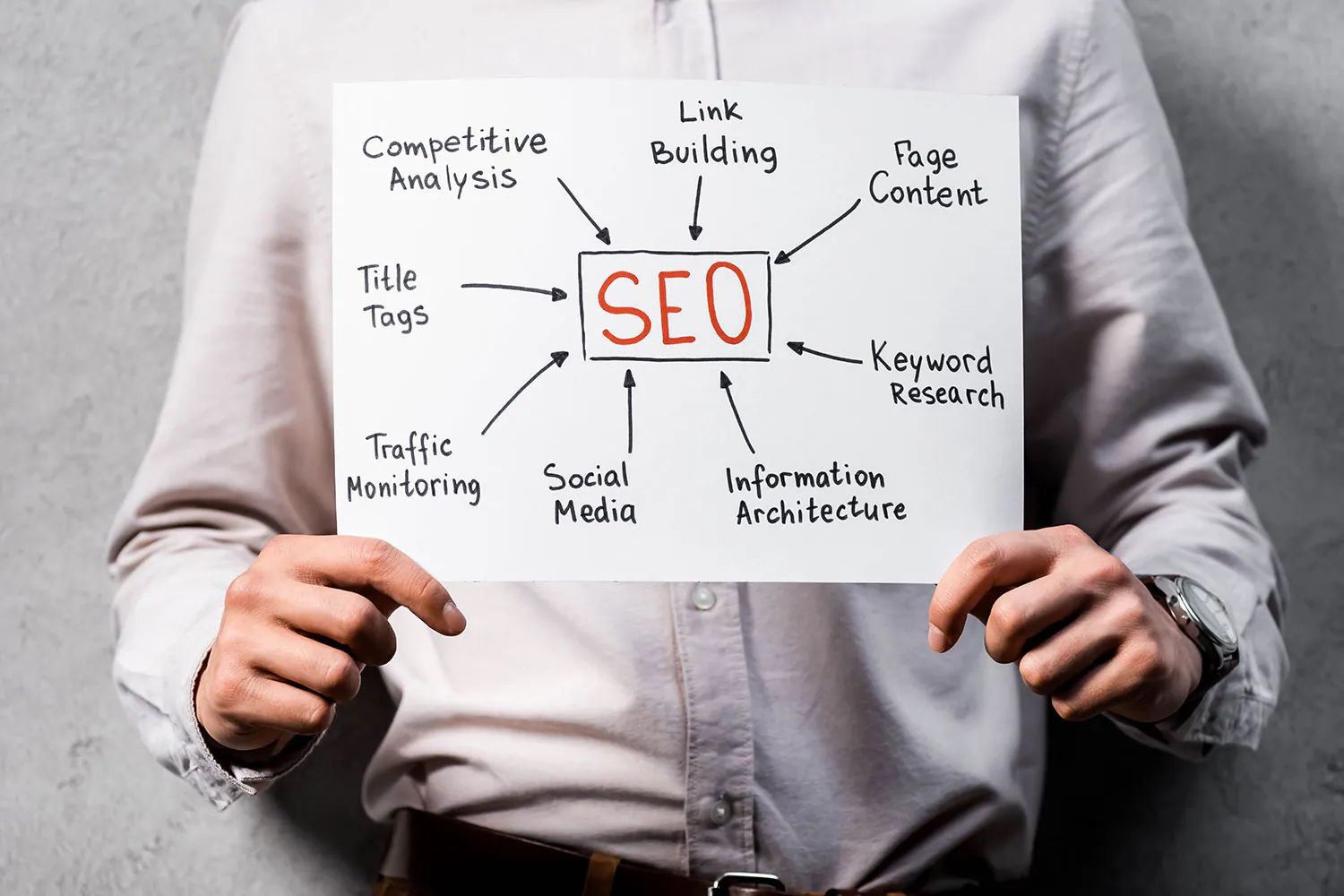
SEO is the technical work of improving a website's ranking and visibility in search engines. It involves algorithmic processes that let search engines detect reference information and rank it at the top.
In Indonesian, search engine optimisation is "optimasi mesin pencari". When a website is well optimised, it appears at the top of search engines, especially Google.
When users type a keyword, some websites appear, giving them a high chance of being visited. So SEO's job is to put the website in the best possible position in search engines. SEO also helps increase quality traffic.
Ways to Improve Your Website's SEO
There are many SEO techniques you can try, and they play a big role in increasing your business's popularity. Here are the top recommendations for improving your website's SEO.
1. Update Old Content
The first way to improve your website's SEO is to update your old content. It is well worth doing, even if you only add internal links. Better still, improve the old content's quality.
Signs that old content needs revising include minimal traffic, a high bounce rate and content that is no longer relevant.
2. Use Joomla
Joomla is one of the most popular platforms for building websites, free for anyone around the world to use, and it is considered easier for improving a website's SEO.
Joomla is also considered friendly for beginners, with a community ready to share knowledge with newcomers. That is why Joomla is well worth trying.
3. Understand SEO Basics
For beginners, understanding the basics of SEO is the most important thing. Why? Because once you understand the basics, it is much easier to apply all the recommended methods.
A successful website can't be separated from SEO, as it is an important factor in building a website. So you are strongly advised to understand SEO basics before moving on to the next stage.
4. Add Your Website to Google Search Console
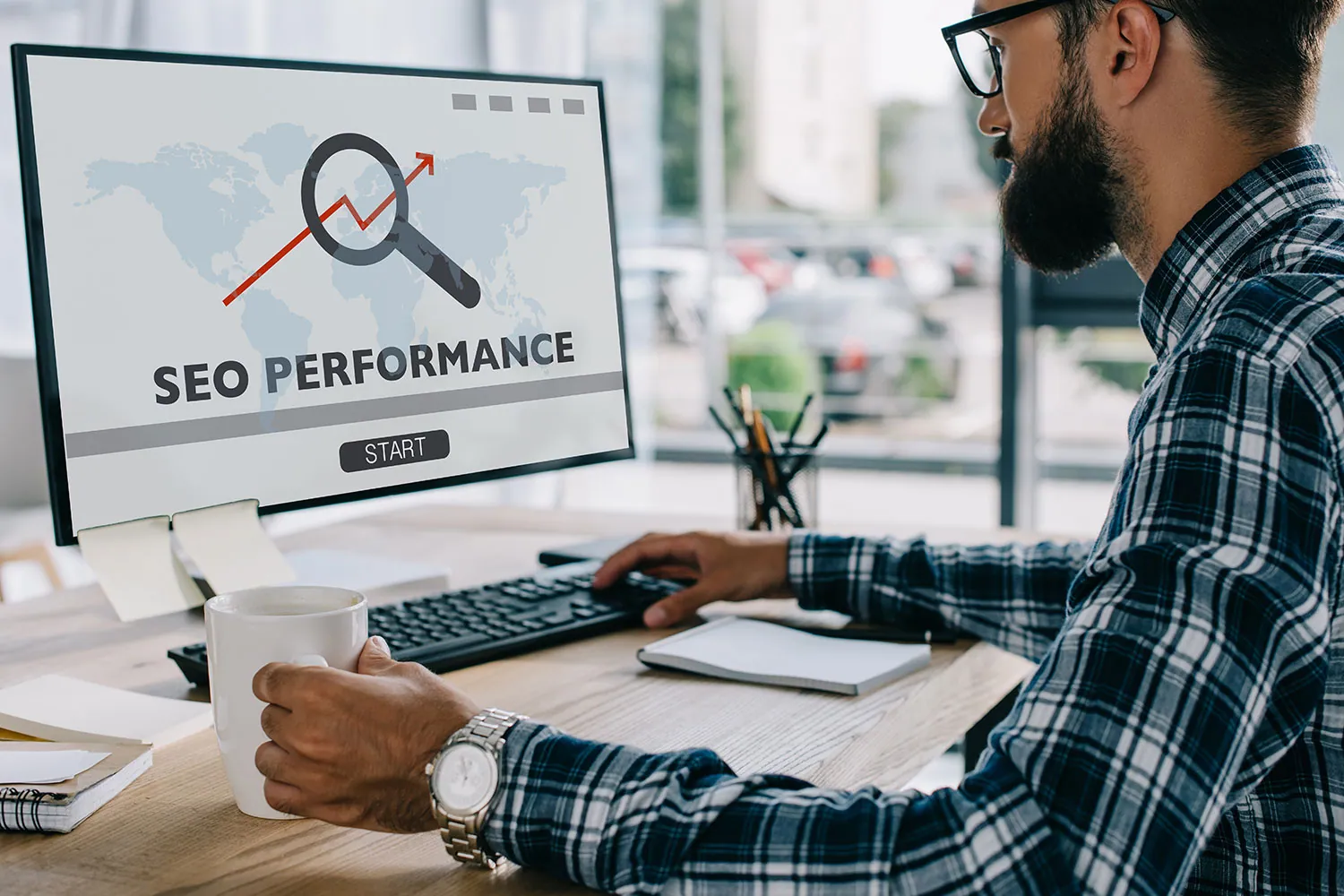
A free Google tool you can use to improve your website's SEO is Google Search Console (GSC). It monitors your website's performance and helps with indexing.
With GSC, your website gets indexed more easily, and indexing is what leads to rankings. For rankings themselves, you can apply the other SEO techniques below.
5. Install Google Analytics
Installing Google Analytics is another way to improve your website's SEO. With it, you can monitor visitor numbers and page views directly and see active users.
The tool shows which pages get many or few visitors, and whether visitors are satisfied with what you offer. Knowing this, you can evaluate and improve your website.
6. Create a Sitemap
Before a website can rank, it has to be easy for search engines to index. Creating a sitemap is one way to improve your website's SEO.
With a sitemap, your website is indexed quickly, making it easier for people to find it in search. A sitemap is a list of your website's pages, and there are several types, including video, XML, news and image sitemaps.
7. Create Engaging Content
Engaging content also affects your website's SEO. If you want better SEO, your content must be engaging and high-quality.
What is quality content? Content that answers visitors' questions completely, solves their problems and prompts them to act, for example by leaving a comment.
8. Do Keyword Research
Keyword research before writing an SEO article is essential. It helps you find the right title and match the level of competition.
Without it, however engaging your article or content, search engines won't detect it easily. Some web development practitioners say keyword research is the main factor in a website's success.
9. Use an SEO Plugin
With an SEO plugin you can track keyword positions, visitor numbers, views, bounce rate and more. To improve your website's SEO, you can use Rank Math, and today SEO plugins integrate directly with GSC and Google Analytics.
Rank Math comes in paid and free versions; the paid version has many more features. With it, you can see this data in the plugin without opening Google Search Console or Google Analytics.
10. On-Page SEO Optimisation
Next, improve your website's SEO with on-page optimisation: an SEO technique covering titles, images and HTML tags.
On-page SEO involves planning internal links and quality content, as well as the most relevant multimedia. That way search engines will show your page as the best page for the query.
11. Add Images
Some people underestimate images on websites, but well-managed images are a good way to improve your SEO.
Google also crawls images during indexing. When deciding rankings, Google doesn't only look at text; it also looks at the images on the website.
There are a few things to consider to make images more search-engine-friendly.
Use images that aren't too high in resolution, keep file sizes under 80 KB, use JPG or PNG format, and add alt text when you upload them. This makes images easier for Google to detect.
12. Choose the Right Title
The title is your content's main attraction. Make it unique and engaging so visitors are curious about your content. Titles usually contain the target keyword and are 15 to 60 characters long.
The title should match the content. You can use numbers in titles, as titles with numbers are considered to perform better.
13. Optimise Content to Be SEO-Friendly
SEO-friendly content appears more often for people browsing. If your content meets SEO standards, its chances of ranking at the top are higher.
Important strategies include choosing the right title, URL and meta description. They may seem minor, but SEO-friendly content is proven to increase your website's visitors.
14. Write Guest Posts
A guest post means creating content on someone else's website, placing a link there that points back to your own website.
To guest post, you need to choose which websites to approach. Pick sites with high traffic and domain rating so you get quality backlinks.
15. Optimise Internal Links
Internal link optimisation is one of many ways to improve your website's SEO. It works by adding links to other articles, and it can have a remarkable effect on your SEO.
Links should point to other content on relevant topics; that relevance makes visitors read more articles on your site. Place links on anchor text in a distinct colour so visitors are more tempted to click.
16. Use Rank Math
Rank Math is worth trying to improve your website's SEO. It is a good SEO plugin for website optimisation, especially if you use WordPress.
Its advantages are that it is easy and practical to use and simple to configure. Installing Rank Math is also straightforward once you understand the method.
17. Optimise Meta Tags
Meta tags consist of title tags and meta descriptions. When a search engine crawls a website, meta tags are among the things it reads. The title tag is the article title that appears in Google's results.
Avoid titles that are too long, as search engines don't like them. The meta description is a short summary of your content shown in search results. Ideally it is 140 to 160 characters and contains your target keyword.
18. Improve Website Speed
In Google's latest algorithm, website speed is one of the ranking factors. This is reflected in the audit features in Google Search Console, which show whether your website counts as fast or slow.
To check your website's speed, you can use popular third-party tools such as GTmetrix, Pingdom and PageSpeed Insights.
The faster your website, the happier your visitors. Surveys show that when a site takes more than 5 seconds to load, users close it and look for another.
19. Use Local SEO
This method suits business websites. Local SEO is considered powerful in business and digital marketing, especially combined with Google Maps.
When someone wants to visit a shop, Google recommends the shops closest to the user's location, making it easier for them to find where to go.
20. Target Long-Tail Keywords
After keyword research, you are also advised to target long-tail keywords: keyword phrases longer than three words, such as "how to improve website SEO" or "how to make a blog with Tumblr".
With longer keywords, competition in search engines is less fierce, and with SEO-friendly articles behind them, your articles can reach page one more easily.
21. Check Your Links
Next, check your links. That means checking all the links on your website, including post links, internal links, page links and links to external sites.
The aim is to make sure links still work and are accessible to users, so they don't create 404 errors.
If you find broken links, fix them by redirecting to another active page. Change outdated URLs, and if a link is no longer needed, it is best to remove it.
22. Optimise Backlinks
The last way to improve your website's SEO is backlink optimisation. Besides on-page SEO, you can improve your website's SEO with off-page SEO, so backlink optimisation should be part of your strategy.
Backlinks are best when they come naturally, without being created first. But that takes a long time. So you can also build backlinks by looking for quality sites with high authority.